
The EU’s Carbon Border Adjustment Mechanism (CBAM) is here. Are you ready?
Compliance isn’t optional and the deadline is fast approaching
CBAM already affects UK manufacturers who export steel, aluminium, cement and other covered products into the EU.

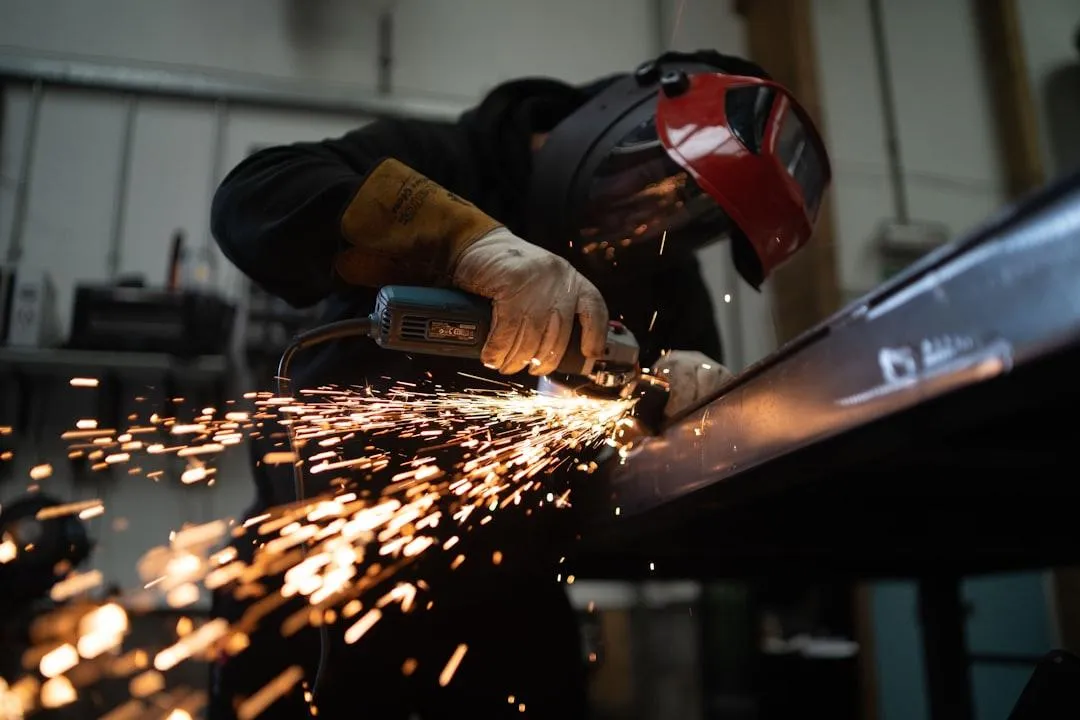
If you supply directly or even indirectly through your customers, your business could be caught up in the rules.
Starting on 1st January 2026 - Are you ready? - The Countdown Has Begun

Read Our CBAM Blog For Up To Date Information
How to Prepare for CBAM Reporting: A Step-by-Step Guide for UK Manufacturers
A practical guide for UK manufacturers to prepare for CBAM reporting, collect emissions data, and stay compliant with EU rules. ...more
Carbon Boarder Adjustment Mechanism (CBAM)
October 05, 2025•1 min read
How Will CBAM Impact The UK Supply Chain
Learn how CBAM affects UK manufacturing supply chains and why early action on emissions data gives your business a competitive edge. ...more
Carbon Boarder Adjustment Mechanism (CBAM)
October 05, 2025•1 min read
Introducing CBAM: What Every UK Manufacturer Needs to Know
Discover what CBAM means for UK manufacturers, who’s affected, and how to stay compliant with new EU carbon rules. ...more
Carbon Boarder Adjustment Mechanism (CBAM)
October 05, 2025•1 min read
OUR CBAM SERVICE
Our Comprehensive CBAM Solutions Are Tailored To Your Requirements...
We tailor our expert services to help you navigate the complexities of CBAM, keeping you Complient and Competitive

Map Your Exposure To CBAM
We identify which of your products and supply chains are affected by CBAM, mapping where EU exposure exists so you know exactly where to focus your compliance efforts.

Gather BaseLine Information
We collect key data from your production and suppliers, building a clear picture of energy use, materials, and processes to create a reliable emissions baseline.

Calculate Carbon Emissions
Using verified data, we calculate your product-level emissions and forecast CBAM certificate costs — giving you accurate figures to share with EU customers.
DISCOVER THE DIFFERENCE
The Old Way vs. The [Your Solution
/Service] Way
Traditional methods of tax filing and management often lead to confusion, missed deductions, and compliance issues.
With [Your Service], we’ve streamlined the process to make it efficient, effective, and stress-free.
Manual Tax Filing

Efficient, Digital Tax Filing
Lack of Tax Planning
Proactive Tax Planning
Inconsistent Records
Organized, Streamlined Records
Struggling with Complex Tax Laws
Clear, Expert Tax Advice
Last-Minute Filing
Early Tax Filing
ABOUT US

The Manufacturing Support Group Ltd
Supporting manufacturers across the Midlands and Warwickshire with practical advice, expert guidance, and access to trusted services that help businesses improve performance, stay compliant, and grow sustainably.
Stay Compliant
Stay Competitive
Stay Ahead
Stay Complient, Stay Competitive, Stay Ahead
Subscribe Our CBAM Newsletter
Receive the latest CBAM Information directly to your inbox.
Frequently Asked Questions
More Facts About CBAM...
What is CBAM?
CBAM stands for the Carbon Border Adjustment Mechanism, an EU regulation that places a price on the carbon emissions embedded in certain goods imported into the EU. Its goal is to prevent “carbon leakage” by ensuring imported products face the same carbon costs as EU-made goods.
When does CBAM come into effect?
CBAM entered its transitional phase on 1 October 2023, requiring importers to start reporting quarterly emissions. The full system, including carbon payments, begins on 1 January 2026.
Which industries are currently affected by CBAM?
CBAM initially applies to steel, aluminium, cement, fertilisers, electricity, and hydrogen. However, the EU plans to expand the list to include more products and materials over time.
Does CBAM affect UK companies that don’t export directly to the EU?
Yes. Even if you don’t export directly, you may supply components or materials to UK or global firms that do. Those firms will need your emissions data to comply with CBAM, so it’s essential to be CBAM-ready.
What information needs to be reported under CBAM?
Importers must report the embedded carbon emissions in each product they sell to the EU, including both:
- Direct emissions: from on-site production (fuel, processes, machinery).
- Indirect emissions: from purchased electricity or energy.
How can UK manufacturers prepare for CBAM?
Start by:
1. Checking if your goods fall under CBAM categories.
2. Mapping your supply chain.
3. Collecting emissions data for your materials and processes.
4. Engaging suppliers early.
What happens if I don’t comply with CBAM?
Non-compliance could result in customs delays, financial penalties, or loss of EU contracts. Importers will prioritise suppliers who can provide accurate emissions data, so being prepared protects your competitiveness.
How can CBAM benefit my business?
Compliance isn’t just about avoiding penalties, it’s about building trust with EU buyers, strengthening sustainability credentials, and future-proofing your business. Companies that act early will gain a real competitive advantage as carbon transparency becomes the new standard in trade.
